


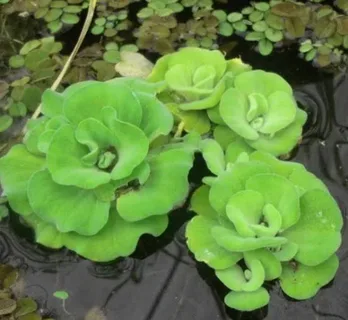
Pond plants can add colour, texture, and natural beauty to any garden pond. They can also provide shelter for wildlife and contribute to a balanced aquatic environment. With many varieties available online, buying pond plants has become a convenient option for gardeners. However, knowing Where to Buy Pond Plants Online and What to Consider Before Ordering can help you choose healthy plants that are suitable for your water feature.
Why Buy Pond Plants Online?
Online suppliers often offer a wider selection of aquatic plants than traditional garden centres. You can explore different varieties, compare growing requirements, and order plants from the comfort of your home.
Specialist online retailers may also provide detailed descriptions covering planting depth, mature size, sunlight requirements, and care instructions. This information can make it easier to select plants according to your pond’s specific conditions.
Where to Find Reliable Pond Plant Suppliers
When researching Where to Buy Pond Plants Online and What to Consider Before Ordering, start by looking for established specialist aquatic plant nurseries and reputable garden retailers.
Check Product Information
A reliable supplier should provide clear information about each plant. Look for details such as:
- Recommended planting depth
- Mature plant size
- Sunlight requirements
- Flowering period
- Growth habits
- Planting and care instructions
Detailed product information suggests that the supplier understands the needs of aquatic plants and helps you determine whether a particular variety is suitable.
Read Customer Reviews
Customer reviews can provide useful information about plant quality, packaging, delivery, and overall service. Look for consistent feedback rather than relying on a single review.
Consider Your Pond Type Before Ordering
One of the most important factors in Where to Buy Pond Plants Online and What to Consider Before Ordering is understanding your pond’s characteristics.
Small Ponds
Compact ponds and container water gardens require plants that will not quickly overwhelm the available space. Smaller varieties are often easier to manage.
Wildlife Ponds
Wildlife ponds can benefit from a mixture of native and suitable aquatic plants. These can provide cover and habitat for insects, amphibians, and other wildlife.
Ornamental Ponds
Decorative ponds may benefit from flowering varieties such as water lilies and attractive marginal plants. Combining different heights and textures can create a visually appealing display.
Large Ponds
Larger ponds can accommodate a broader selection of plants, including oxygenating, floating, marginal, and deep-water varieties. However, it is still important to control vigorous growth.
Check Plant Quality
Before ordering, look for descriptions indicating that plants are healthy and well established. Avoid products with unclear information about plant size or condition.
Healthy plants should generally have good foliage and established roots. If you are uncertain about a particular plant, contact the supplier for additional information before purchasing.
Understand Delivery and Packaging
Live plants need careful handling during transportation. Check how the supplier packages aquatic plants and whether they provide guidance for unpacking and planting after delivery.
Also review delivery schedules and seasonal availability. Some plants may be shipped during specific growing periods to improve their chances of successful establishment.
Choose Plants for Your Growing Conditions
Sunlight, water depth, pond size, and climate can all influence plant growth. Read the supplier’s growing recommendations carefully and compare them with conditions in your garden.
Avoid choosing plants simply because they look attractive in photographs. A variety that matches your pond’s environment is more likely to establish successfully and require less maintenance.
Plan Your Planting Arrangement
Think about where each plant will be positioned before ordering. Marginal plants can add interest around shallow edges, while water lilies can provide attractive surface coverage.
Underwater oxygenating plants can occupy deeper areas, creating a layered planting scheme. Leave enough open water to maintain a balanced and uncluttered appearance.
Final Thoughts
Finding suitable pond plants online is straightforward when you know what to look for. By researching reputable suppliers, checking plant quality, understanding delivery practices, and matching varieties to your pond conditions, you can make more confident purchasing decisions. Whether you are creating a wildlife habitat or an ornamental feature, knowing Where to Buy Pond Plants Online and What to Consider Before Ordering will help you build a healthier and more attractive water garden.
