


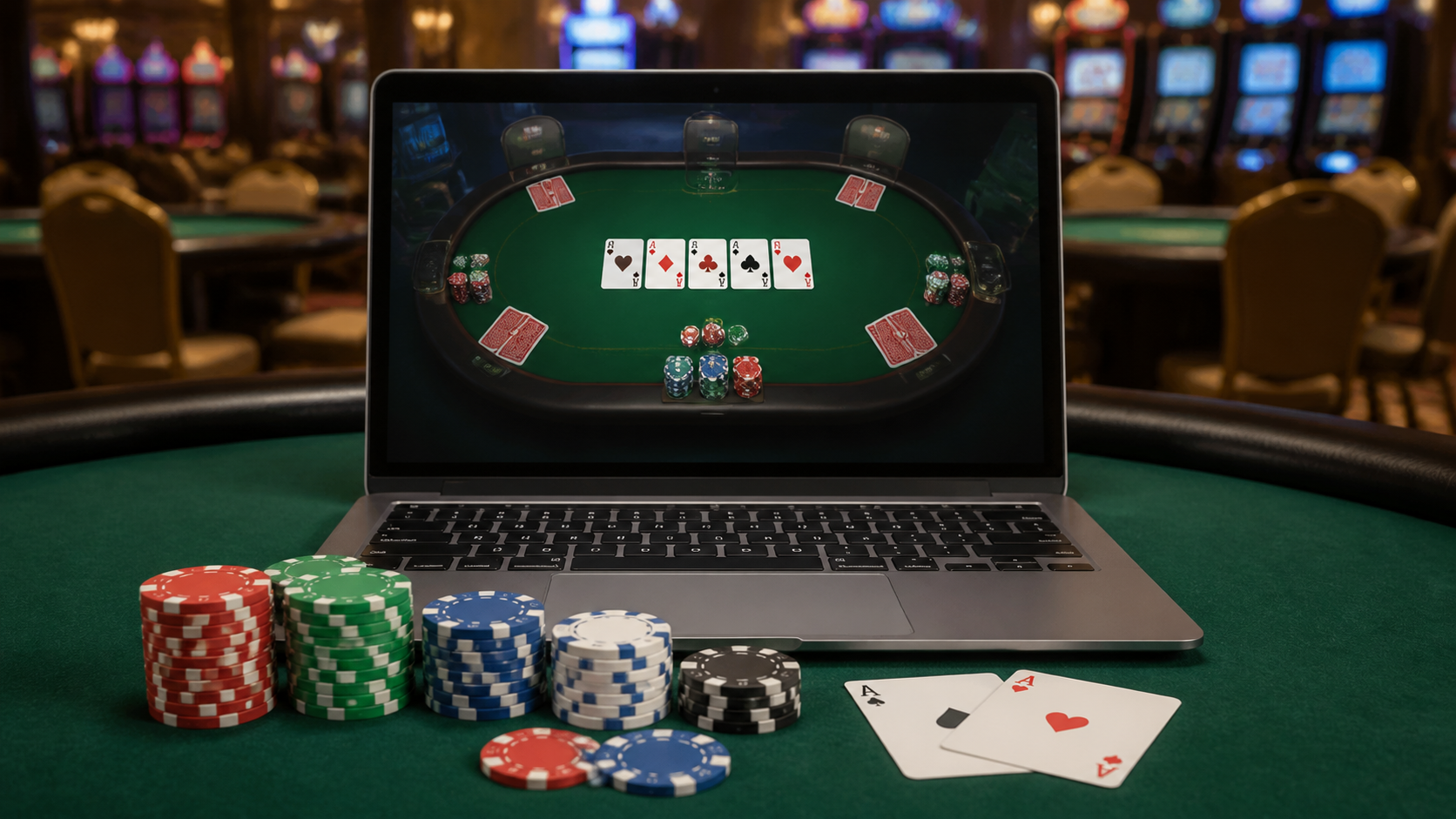
Online poker has become one of the most familiar card games on the internet because it blends strategy, patience, and decision-making in a format that is easy to access but hard to master. For many players, the appeal is not just the cards themselves. It is the mix of reading situations, managing risk, and adapting to different opponents at the table.
That combination is what makes the modern poker game online experience so engaging. A good session is rarely about luck alone. The choices made before the flop, the way a player reacts to pressure, and the discipline to step away when needed all shape the result. Understanding those basics can make the game more enjoyable and far less frustrating.
What Makes Online Poker Different from Other Card Games
At first glance, online poker may seem similar to playing around a physical table, but the rhythm is different. Hands move faster, decisions come in quick sequence, and players often face a wider range of styles. Some opponents act very aggressively, while others prefer a cautious approach. Because you cannot rely on body language in the same way, the game becomes more focused on betting patterns, timing, and consistency.
Another difference is convenience. Online play allows someone to join a table without arranging a trip or waiting for enough people to gather. That accessibility has helped poker reach a broader audience, but it also means players should be more deliberate about their habits. When games are easier to enter, it becomes easier to overplay weak hands or stay in a session longer than planned.
The pace can also influence decision-making. In live poker, there is often more room to think through a hand. Online, the action may come faster, and players benefit from having a clear plan before they sit down. A simple structure for starting hands, table selection, and bankroll limits can reduce impulsive play.
Core Skills That Matter in a Poker Game Online
Successful play depends on more than learning the rules. The strongest players tend to build habits that support clear thinking over the long term. They do not try to win every hand. Instead, they look for situations where the odds, position, and opponent behavior work in their favor.
Patience and Discipline
Patience is one of the most underrated skills in poker. Many losses come from entering hands that have little chance of improving or chasing outcomes that are not worth the cost. Discipline helps players wait for better spots and avoid turning a small mistake into a larger one. This matters especially in online formats, where rapid action can make emotional decisions more likely.
Position and Table Awareness
Position refers to when a player acts in relation to others at the table. Acting later in a hand often provides more information, which can improve decision-making. Table awareness also means noticing how others behave over time. Does a player raise frequently? Do they fold too often under pressure? These patterns can reveal opportunities without requiring guesswork.
Bankroll Management
Bankroll management is not glamorous, but it is essential. A player who risks too much in a single session may find it difficult to recover from normal swings. Setting a spending limit helps keep the game in perspective. The goal is not to eliminate variance, which is part of poker, but to make sure a few bad hands do not control the whole experience.
- Set a clear session limit before starting
- Choose stakes that match your comfort level
- Avoid increasing stakes after losses
- Take breaks when focus starts to fade
- Review difficult hands instead of repeating mistakes
How to Choose the Right Table and Game Format
Not every table is equally suitable for every player. Some tables are filled with aggressive bettors, while others are slower and more passive. A thoughtful choice can improve both comfort and decision quality. Instead of jumping into the first available game, it helps to consider the pace, the number of players, and the overall feel of the table.
Game format matters too. Some players prefer a slower structure that gives more time to think. Others enjoy faster formats because they create more action and more hands per session. Neither style is automatically better. The right choice depends on how much pressure a player wants, how long they plan to stay, and how well they handle quick decisions.
It is also sensible to think about the learning stage. Beginners often do better in formats that allow more breathing room, while experienced players may enjoy tables that reward quick adaptation. A good fit can make the game more engaging and can reduce unnecessary frustration. When the pace feels manageable, players are more likely to make consistent choices rather than reacting to every hand emotionally.
Common Mistakes Players Make and How to Avoid Them
Many online poker mistakes are predictable, which is useful because predictable mistakes can be corrected. A frequent issue is playing too many hands. Newer players often feel involved simply because they have cards, but not every starting hand deserves action. Folding more often can actually improve long-term results because it keeps weaker situations out of play.
Another common mistake is ignoring the betting story of a hand. A raise, a call, and another raise all carry information. When players focus only on their own cards, they miss the context that makes the hand clearer. Good decisions come from combining personal holdings with the likely range of what others may hold.
Emotional play is another challenge. A difficult loss can lead to frustration, and frustration often leads to reckless bets. That is why small routines matter. Standing up after a rough hand, taking a short break, or ending a session early can protect decision quality. Poker rewards steady thinking more than dramatic recoveries.
Practical Habits That Help
Simple habits can make a real difference over time. Keeping a calm pace, avoiding distractions, and reviewing hands after play all support better judgment. A player does not need complicated tools to improve. Often, the biggest gains come from noticing recurring errors and correcting them one at a time.
It also helps to treat each session as part of a longer pattern rather than a one-night verdict. One strong or weak result does not define skill. By paying attention to trends, a player can see which choices are actually working and which are only feeling productive in the moment.
Why the Online Format Keeps Attracting New Players
The continued appeal of online poker comes from its balance of accessibility and depth. It is easy to start, but there is enough room for strategy that players can keep learning for a long time. That combination makes the game appealing to people who enjoy skill-based competition without needing a steep entry barrier.
Online play also allows people to fit sessions around their own schedules. They can practice in short bursts or settle into longer sessions when time permits. For many, that flexibility is more practical than a traditional card room. The digital format also makes it easier to compare different table types and learn through repetition, which can speed up improvement when approached thoughtfully.
Still, the same convenience that makes the game attractive can also make it easy to overdo. Responsible play matters. Keeping a clear budget, knowing when to stop, and viewing poker as a form of entertainment rather than a financial solution are all sensible habits. Players who respect those boundaries usually have a more stable and enjoyable experience.
Conclusion: Playing with Skill, Structure, and Perspective
A thoughtful approach to online poker is built on a few reliable ideas: understand the pace of the game, choose tables carefully, manage your bankroll, and avoid emotional decisions. Those habits do not remove uncertainty, but they do give players a better framework for handling it. Poker remains a game of incomplete information, which is part of what makes it interesting.
For anyone who wants to improve, the most useful step is not chasing a quick win. It is learning to make better choices hand after hand, session after session. With patience and structure, the game becomes more than a series of cards. It becomes a test of judgment, and that is what keeps players coming back.
