


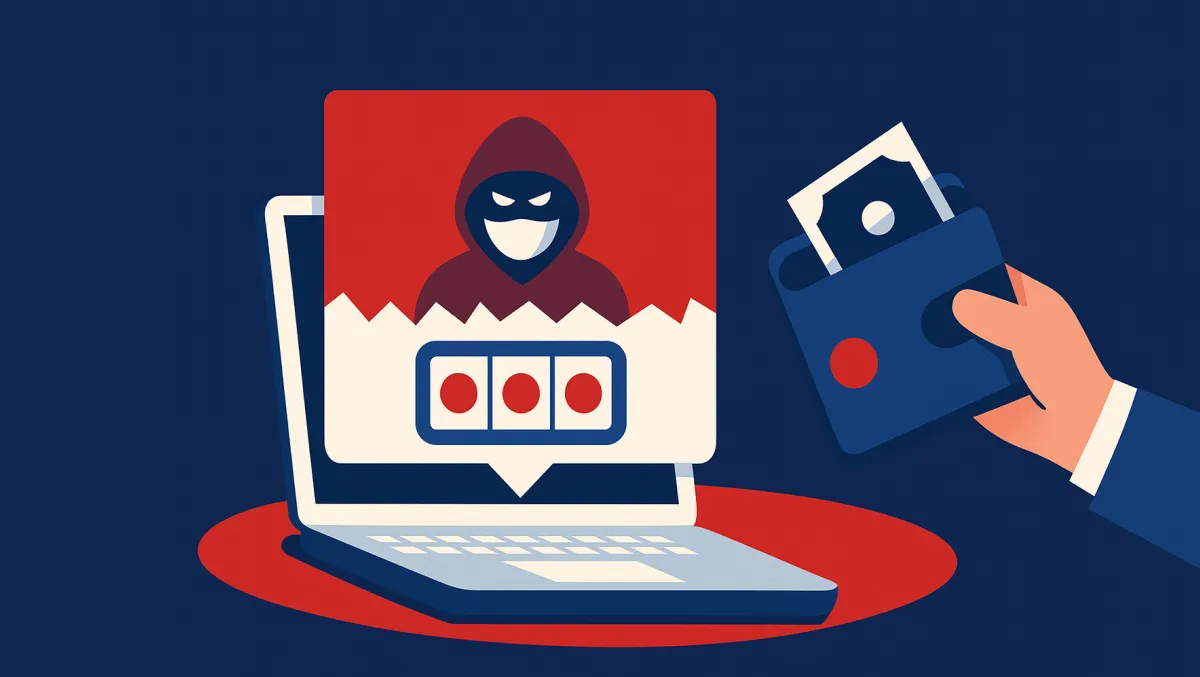
The growth of digital entertainment has made online gaming platforms easier to access, but it has also created opportunities for fraudsters to target unsuspecting users. People searching for online casinos UAE may encounter websites, advertisements, social-media promotions, and messages that appear legitimate while hiding serious financial or cybersecurity risks.
For UAE players, checking whether an operator is properly licensed is especially important. The General Commercial Gaming Regulatory Authority (GCGRA) states that commercial gaming conducted in the UAE without a valid licence is illegal and warns consumers about the risks associated with unlicensed operators, including fraud, financial losses, misuse of personal information, phishing, and malware.
Why Online Casino Scams Can Be Difficult to Recognize
Casino scams are not always obvious. Fraudulent operators can create professional-looking websites with attractive graphics, extensive game menus, customer-support chats, payment options, and promotional offers.
Some scams also imitate legitimate brands or use names that look similar to established operators. A polished website therefore should not be treated as proof that a platform is trustworthy.
The safest approach is to examine the operator’s regulatory status, payment practices, terms and conditions, privacy policies, and reputation before providing any personal or financial information.
1. Fake Casino Websites
One of the most common scams involves websites designed to look like genuine online casinos. These platforms may advertise popular games and large bonuses while operating without proper authorization.
A fake casino may allow users to create accounts and deposit money but later prevent withdrawals. In some cases, the website may disappear entirely after collecting deposits or personal information.
The GCGRA specifically warns that unlicensed operators can expose consumers to financial loss, fraud, deceptive practices, and cybersecurity threats.
How to Identify the Warning Signs
Be cautious when a website:
- Does not clearly identify its operator
- Makes unclear or unverifiable licensing claims
- Provides vague contact information
- Has poorly written terms and conditions
- Promises unusually large or guaranteed winnings
- Requests unnecessary personal information
- Uses suspicious payment instructions
A professional appearance alone is not enough. Regulatory verification should come first.
2. Fake Licensing Claims
Fraudulent websites sometimes display regulatory logos or licence numbers to create an impression of legitimacy. A logo on a webpage does not prove that the operator is actually licensed.
The GCGRA is the UAE’s competent authority for regulating and licensing commercial gaming in the country. It advises consumers to verify an operator’s licensing status before participating.
Players should therefore verify licensing information through the regulator rather than relying solely on claims made by the casino itself.
3. Deposit and Withdrawal Scams
Another major problem is a platform that accepts deposits easily but creates repeated obstacles when a player attempts to withdraw funds.
A scam operator might claim that the player must first pay an unexpected “processing fee,” “tax,” “verification charge,” or additional deposit before receiving winnings. These demands can continue indefinitely.
A legitimate financial process should be explained clearly in the operator’s terms. If a website continually demands new payments before releasing an existing balance, that is a serious warning sign.
4. Fake Bonuses and Unrealistic Promotions
Huge welcome bonuses can be an effective way to attract new users. Scam platforms may advertise offers that sound too good to be true, such as guaranteed profits, enormous bonuses, or instant cash rewards.
The problem may become apparent only after a deposit has been made. Players could discover complicated wagering conditions, hidden restrictions, maximum withdrawal limits, or requirements that were not clearly presented.
Before accepting any promotion, read the full bonus terms. Pay particular attention to wagering requirements, eligible games, expiry periods, maximum withdrawals, and deposit conditions.
5. Phishing Messages and Fake Support Agents
Scammers may contact users through email, messaging applications, social media, or fake customer-support accounts.
They might claim that an account has been suspended or that a withdrawal requires immediate verification. The message may contain a link asking the recipient to enter login credentials, card information, identification documents, or one-time passwords.
These tactics are designed to create urgency. Users should avoid clicking suspicious links and should access an operator’s official website independently rather than following unexpected messages.
The GCGRA has identified phishing, malware, and misuse of personal information among the cybersecurity risks associated with unlicensed gaming activities.
6. Fake Mobile Casino Apps
Scammers can also distribute fraudulent mobile applications. A fake app may imitate the name or design of a casino while collecting passwords, payment details, or other sensitive information.
Before installing any gaming application, verify the developer, source, permissions requested, and connection to the operator’s official website. Avoid downloading applications from unknown websites or suspicious links shared through social media.
7. Cryptocurrency and Payment Scams
Some fraudulent platforms encourage users to make deposits through unusual payment channels or cryptocurrency wallets. Once funds have been transferred, recovering them may be extremely difficult.
Players should be particularly cautious when a supposed casino insists on payment through an unfamiliar individual, personal bank account, private wallet, gift card, or other unusual method.
A trustworthy platform should clearly explain its payment procedures and withdrawal rules.
8. Fake “Guaranteed Winning” Systems
Scammers sometimes promote casino strategies, prediction systems, bots, or software that supposedly guarantees profits.
Casino games involving chance cannot realistically provide a guaranteed winning method. Claims of risk-free profits should therefore be treated with skepticism.
Fraudsters may use screenshots of supposed winnings, fabricated testimonials, or fake experts to make these systems appear credible.
9. Identity Theft and Data Harvesting
An unsafe platform may be interested in personal information rather than gambling deposits. Users may be asked to submit identity documents, banking details, phone numbers, passwords, or other sensitive information.
The GCGRA warns that unlicensed gaming entities may request sensitive personal and financial information that can subsequently be misused for fraudulent purposes.
Players should never provide more information than is legitimately required, particularly to an operator whose licensing status cannot be independently verified.
10. Social Media Casino Scams
Social media advertisements can make fraudulent casino promotions look trustworthy. Scammers may use fake reviews, paid-looking testimonials, copied logos, and fabricated winner stories to attract users.
A social-media account should never be considered proof of authorization. Always verify the actual operator and its regulatory status independently.
How UAE Players Can Protect Themselves
A few simple precautions can significantly reduce exposure to online casino scams.
Verify the Operator
Before registering or depositing money, confirm whether the operator is licensed by the appropriate UAE authority. The GCGRA explicitly recommends checking licensing status and avoiding unlicensed gaming operators.
Research the Terms
Read the withdrawal, bonus, privacy, and account policies before depositing. Avoid platforms whose important conditions are hidden, confusing, or contradictory.
Protect Your Accounts
Use unique passwords and enable multi-factor authentication where available. Never share one-time passwords, banking credentials, or account recovery codes with supposed casino representatives.
Be Suspicious of Urgency
Scammers often pressure users to act immediately. A message saying that you must deposit money within minutes to unlock winnings should be treated as a major warning sign.
Keep Deposits and Gaming Within Your Means
Even when dealing with a legitimate operator, gambling carries financial risks. The GCGRA promotes responsible gaming and encourages players to manage their time and money proactively.
What to Do If You Suspect a Casino Scam
If you believe you have interacted with a fraudulent platform, stop sending money and avoid further communication with suspicious representatives. Secure any affected accounts, change compromised passwords, and contact your financial institution promptly if payment information may have been exposed.
Keep records of transactions, emails, messages, screenshots, and other relevant evidence. Where appropriate, report suspected illegal gaming activity to the relevant UAE authorities.
The GCGRA advises UAE residents to report suspicious activities involving unlicensed gaming operators.
Final Thoughts
Searching for online casinos UAE can expose users to a mixture of legitimate-looking platforms and potentially dangerous scams. Fake websites, false licensing claims, withdrawal fraud, misleading bonuses, phishing messages, fraudulent apps, and data-harvesting schemes are among the major risks users should understand.
The most important rule is simple: do not trust a casino merely because it looks professional or promises attractive rewards. Verify its regulatory status, understand its terms, protect your personal information, and avoid any platform that creates pressure to deposit money.
For UAE residents, regulatory compliance is particularly important because the GCGRA states that commercial gaming without a valid licence is illegal and warns consumers about the financial, cybersecurity, and legal risks associated with unlicensed operators.
A cautious approach can help users recognize suspicious offers before they become costly mistakes.
