


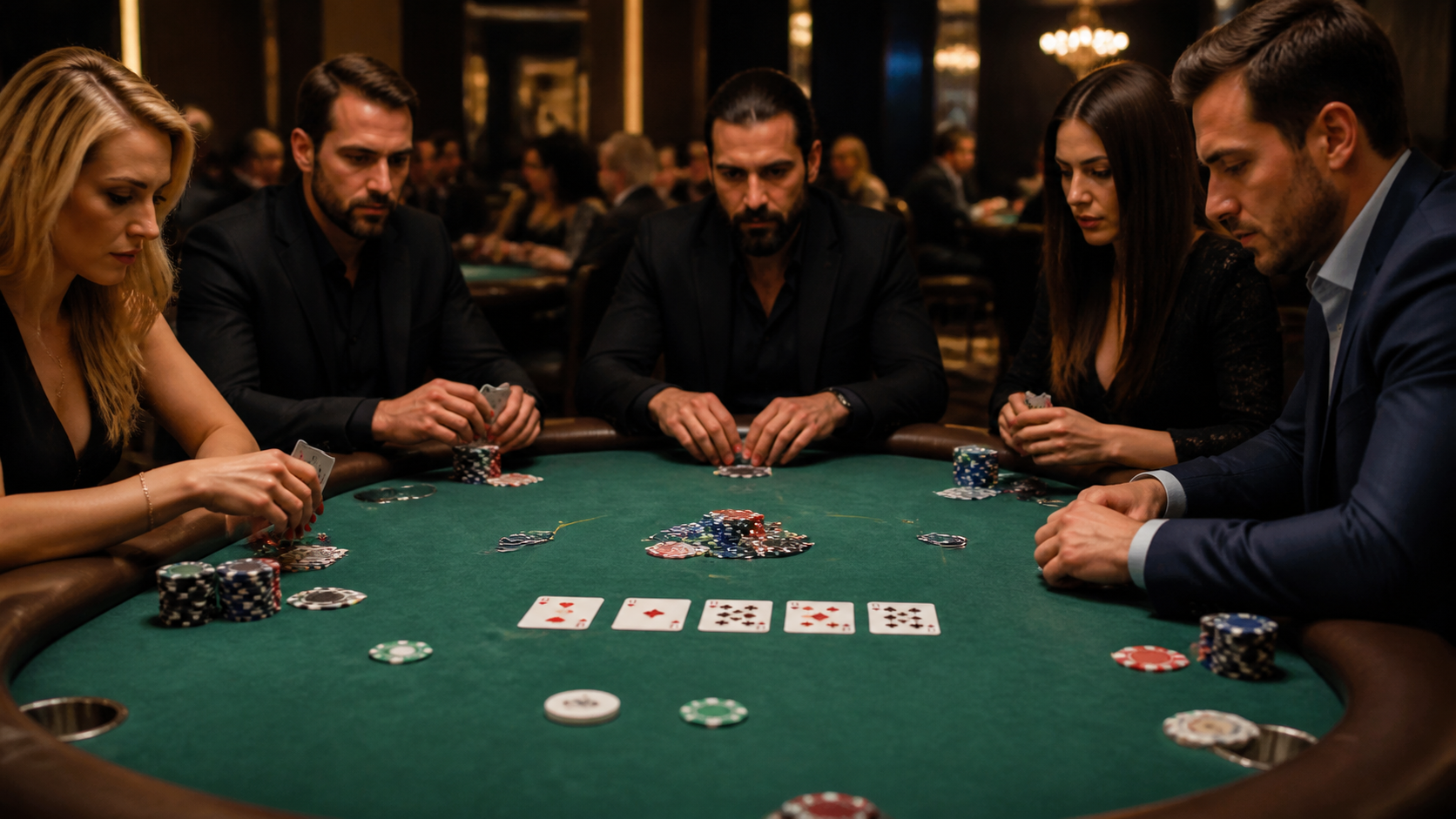
Real-money poker attracts players for the same reason it has always held attention: it blends chance, judgment, timing, and discipline in a way that few casino games can match. For many people, the appeal is not only the possibility of winning a pot, but also the process of making better decisions under pressure. That mix makes the game engaging, but it also means that casual play and thoughtful play can look very different over time.
Anyone exploring โป๊กเกอร์ ออนไลน์ เงินจริง quickly notices that the experience is shaped by more than the cards themselves. Game format, table selection, bankroll habits, opponent tendencies, and basic emotional control all influence outcomes. A player who understands these moving parts is usually in a better position to make sensible choices, keep risk in perspective, and enjoy the game without turning every session into a scramble.
The strongest approach is to treat poker as a skill-based casino game that still contains uncertainty. That mindset helps players avoid common mistakes, such as chasing losses, jumping into stakes that feel uncomfortable, or assuming that a short-term result reflects long-term ability. With a clear framework, the game becomes easier to approach in a practical and disciplined way.
Understanding the Real-Money Poker Environment
Before sitting down at a table, it helps to understand what changes when money is involved. In free-play settings, players often take looser risks because the consequences are minimal. In real-money games, every decision carries weight, and that changes the pace, the tension, and the meaning of each move. Even small mistakes matter more when chips represent actual value.
Real-money poker is also different because opponents tend to behave more carefully, especially when they have something on the line. Some players tighten up, while others become more aggressive in an attempt to pressure the table. That mix creates a dynamic setting where patience and observation can be more valuable than forcing action too early.
Why table dynamics matter
Table dynamics are the unwritten rhythm of a poker game. A table with many cautious players may reward selective aggression, while a table with frequent raises and re-raises may require more restraint. Understanding the overall tone of the table can help players avoid making isolated decisions that ignore the bigger picture.
It also helps to notice whether the table is passive, unpredictable, or heavily experienced. That kind of read does not guarantee success, but it gives useful context for deciding when to enter a pot, when to fold, and when to wait for a better spot.
The difference between skill and variance
Poker rewards good decision-making over time, but short runs can still swing in ways that feel unfair or confusing. A strong hand can lose. A risky play can work. A series of small decisions can shape the outcome more than one dramatic hand. Recognizing that variance exists helps players avoid emotional reactions to a single result.
This is especially important in real-money play, where a bad stretch can encourage players to overreact. A disciplined approach does not ignore variance; it accepts that it is part of the game and keeps decisions focused on quality rather than immediate outcome.
Choosing the Right Game Format
Different poker formats create very different experiences. Some are faster and more action-heavy, while others reward patience and deeper thought. Choosing the right format is not just about preference; it can also affect how comfortable a player feels and how clearly they can follow the action.
Cash games and tournaments are the most familiar examples. Cash games usually allow a more flexible schedule and steady chip-to-money value, while tournaments involve deeper pressure as blinds change and survival becomes part of the strategy. Neither format is inherently better, but one may suit a player’s temperament more naturally than the other.
Cash games versus tournaments
Cash games often appeal to players who want direct decision-making without the added complexity of increasing blinds and elimination pressure. They can be easier to step away from when a session ends. Tournaments, by contrast, can create more dramatic swings and demand more patience as the field narrows.
For a newer player, the key question is not which format sounds more exciting, but which one is easier to approach with discipline. A format that fits a player’s schedule, attention span, and comfort level can make a meaningful difference in long-term consistency.
Speed, stakes, and session length
Fast formats may feel convenient, but they leave less room for reflection. Slower tables allow more time to observe opponents and think through decisions, which can be useful for players still building their process. Stakes should also match comfort. If the amount at risk creates tension that disrupts decision-making, the game may no longer feel manageable.
Session length matters too. Some players do well in short, focused sessions, while others prefer a longer, steadier rhythm. The best format is often the one that keeps attention sharp rather than one that encourages rushed or tired play.
Building a Practical Bankroll Habit
Bankroll habits are one of the most overlooked parts of real-money poker. Many players focus heavily on hands, tables, and bluffing while giving too little attention to how much they are willing to risk in a given session or week. Yet money management can determine whether the experience feels controlled or stressful.
A practical bankroll habit begins with a simple idea: the amount set aside for poker should be separate from everyday expenses. That separation does not remove risk, but it helps prevent poker from spilling into other parts of life. It also makes it easier to judge results honestly, without emotional pressure linked to rent, bills, or other obligations.
Setting limits before play begins
Clear limits are easier to follow when they are decided in advance. Before starting a session, a player can decide how much to bring to the table, how long to play, and what result will signal a pause. This creates structure and reduces the chance of making impulsive choices after a bad hand or a lucky run.
It can also help to define a stop point for fatigue. Concentration fades over time, and tired decisions often cost more than people expect. A session limit is not a weakness; it is a tool for keeping the game manageable.
Avoiding emotional recovery play
One of the most common traps in real-money poker is trying to win money back too quickly after a loss. That mindset often leads to larger mistakes, looser calls, and unnecessary risks. Recovery play may feel urgent in the moment, but it rarely improves decision quality.
A steadier response is to step away, review what happened, and return only when the urge to force results has faded. This approach supports clearer thinking and protects the bankroll from decisions driven by frustration rather than logic.
Reading Opponents and Making Better Decisions
Good poker decisions are rarely based on a single clue. Instead, they come from combining position, betting patterns, stack size, and the overall style of the table. The more carefully a player observes these elements, the more grounded their decisions become. Over time, this observational habit becomes one of the strongest practical advantages available.
Reading opponents does not mean trying to guess every hand correctly. It means noticing tendencies that make future decisions more informed. Some players bet strongly only with very strong hands. Others apply pressure in a wider range of spots. The goal is not certainty, but better probability-based reasoning.
Watching betting patterns
Betting patterns often reveal more than dramatic showdowns. A player who suddenly changes bet sizing may be signaling a shift in confidence, strategy, or bluff frequency. Repeated patterns can also show comfort levels in different positions or stages of a hand. Careful observation helps identify these habits without overinterpreting every action.
It is wise to avoid jumping to conclusions too quickly. One unusual hand is not enough to define an opponent. Consistent observation across several pots tends to be more useful than reacting to a single moment.
Using position wisely
Position matters because it affects how much information is available before acting. Acting later in the hand usually provides more context, while acting early requires more caution. Players who understand position can select hands more carefully and make more informed choices after the flop.
Even without advanced strategy, simply respecting position can improve discipline. It encourages patience, reduces unnecessary confrontation, and helps players avoid difficult spots that are hard to navigate with little information.
Playing Responsibly and Keeping the Experience Sustainable
Real-money poker should remain an activity that fits comfortably into a player’s life. That means keeping the game entertaining, manageable, and free from pressure that turns each session into a problem. Responsible play is not about removing ambition; it is about making sure the game stays within reasonable boundaries.
For many players, a sustainable approach starts with emotional honesty. If a session begins to feel irritating, compulsive, or financially stressful, that is often a sign to step back. The same is true when poker starts taking priority over sleep, work, or personal commitments. Recognizing those signals early can prevent the game from becoming unhealthy.
- Set a fixed budget before playing and keep it separate from essential expenses.
- Decide in advance how long a session will last.
- Avoid playing when tired, distracted, or upset.
- Review decisions after a session instead of reacting in the moment.
- Choose stakes that feel comfortable rather than pressured.
Players who keep these habits in place often find that the game feels clearer and more enjoyable. The aim is not to eliminate risk entirely, which is impossible in poker, but to keep risk aligned with a thoughtful plan. That makes the experience more durable and less emotionally draining.
Conclusion: A Clearer Way to Approach Real-Money Poker
Real-money poker rewards players who combine patience, observation, and discipline. The game becomes easier to handle when the focus stays on decision quality rather than short-term swings. Table selection, format choice, bankroll limits, and opponent reading all matter, but they work best when supported by a calm and realistic mindset.
For anyone interested in โป๊กเกอร์ ออนไลน์ เงินจริง, the most useful habit is probably the simplest one: treat each session as a series of decisions, not a test of luck alone. That perspective helps keep expectations grounded and makes it easier to play in a way that is both more thoughtful and more sustainable over time.
