


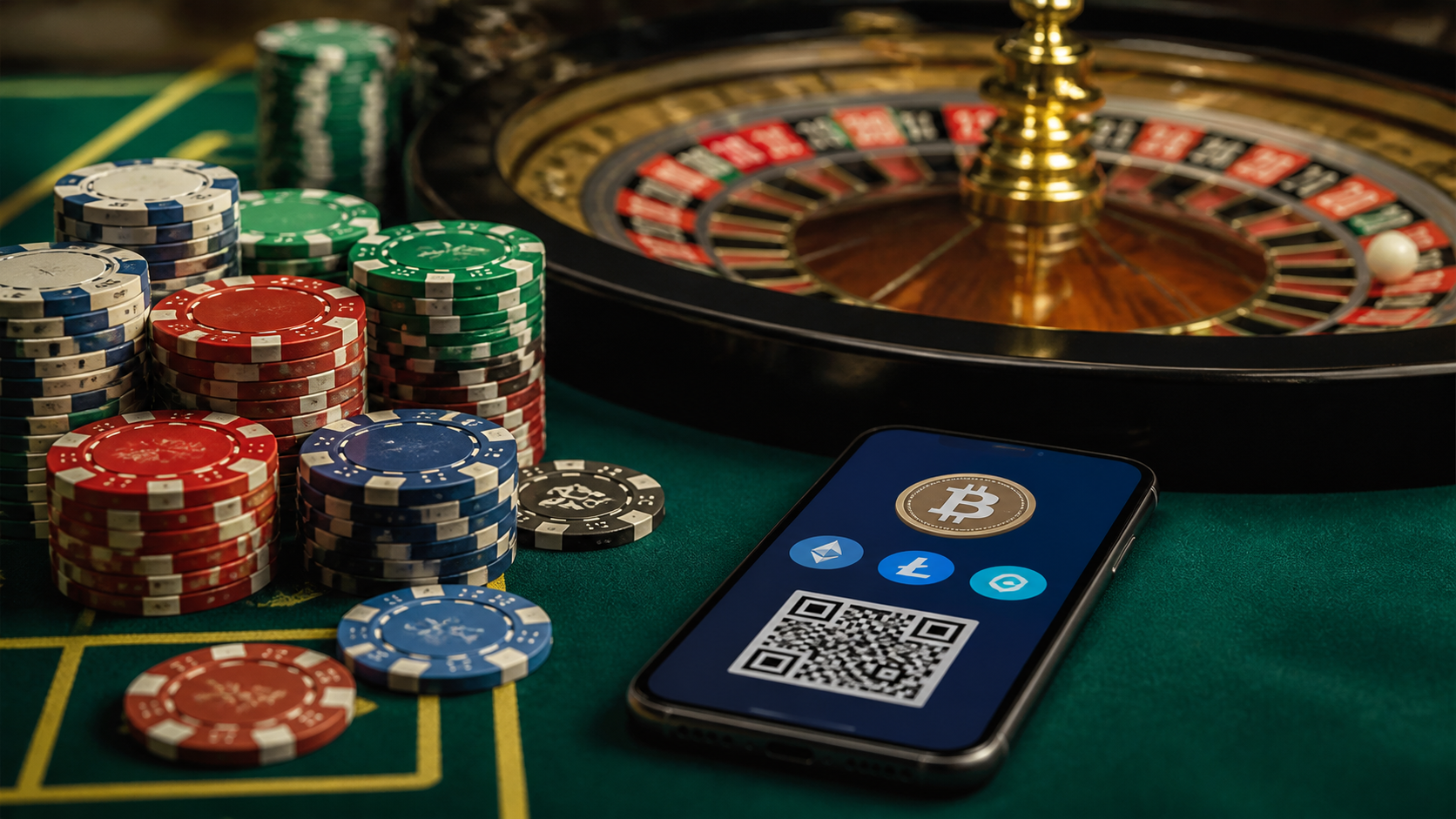
Digital currencies have introduced another way to fund and use online gaming accounts. For players exploring an online casino crypto option, the appeal may include a familiar digital payment method, a different approach to deposits and withdrawals, or simply curiosity about how these services work. But the payment method is only one part of the experience. Game rules, account terms, local restrictions, privacy practices, and personal limits deserve equal attention.
Understanding the basics can help players make more informed choices without assuming that cryptocurrency makes gaming safer, more private, or more profitable. The useful question is not only whether a site accepts digital assets, but whether its overall approach is clear, responsible, and appropriate for the player’s location and circumstances.
How crypto payments fit into online casino play
A crypto-enabled gaming site allows users to make some account transactions using digital assets. The exact options and processes vary by operator. A player may need to create an account, select a supported payment method, and follow instructions shown on the site. Those steps can differ, so it is worth reading the payment information before sending funds.
Unlike a familiar card transaction, a digital-asset transfer may be difficult or impossible to reverse once it has been confirmed. Entering the wrong destination details, selecting an incompatible network, or misunderstanding the amount requested can lead to complications. Players should carefully check the payment instructions and confirm that the asset and network match what the service supports. Never send funds based on a message from an unverified source or a hurried request.
It is also important to distinguish the payment method from the games themselves. Using cryptocurrency does not change the rules, odds, or potential outcomes of a casino game. A deposit is not a prediction of future winnings, and no payment method can make a chance-based game a reliable way to earn money. Treat gaming as paid entertainment, not as a financial plan.
What to review before choosing a platform
Before creating an account, read the operator’s terms and look for practical information about eligibility, account verification, deposits, withdrawals, fees, and dispute handling. Availability can vary by jurisdiction, and players should determine whether online gambling is permitted where they live. If the rules or access conditions are unclear, pause rather than assuming that a site is suitable.
For an initial comparison, a guide to online casino crypto can offer a starting point for understanding the category. Any overview should be treated as one source of context, not a substitute for checking the current terms and details directly with a platform. Information can change, and individual players may face different restrictions.
Look for understandable payment terms
Clear payment information should explain which digital assets are accepted, how deposits are credited, what withdrawal steps apply, and whether charges or minimums may affect a transaction. The wording should make it possible to understand what happens before money is sent. If essential details are scattered, contradictory, or difficult to interpret, that is a reason to take more time.
Consider account and support practices
Review how the service describes account access, verification requests, password recovery, and customer support. A platform may request information as part of its procedures, so understand what is requested and why before sharing sensitive details. Use a unique, strong password, protect access to any payment wallet, and be cautious of messages asking for credentials or recovery information. Support should be reachable through the channels identified on the service itself, rather than through unsolicited contact.
Deposits, withdrawals, and record keeping
Payment processes are easier to manage when players make small, deliberate decisions instead of rushing. Before a deposit, check the destination details against the platform’s instructions, confirm the amount, and make sure the selected asset is supported. Keep a private record of transaction dates, amounts, and relevant confirmations. These records can help with personal budgeting and make it easier to describe a question to customer support.
Withdrawal conditions deserve particular attention. Read any rules about account verification, eligible payment methods, processing steps, and possible fees before play begins. Do not assume that a withdrawal will follow the same timing or process as a deposit. If the operator’s terms allow a balance to be withdrawn only after additional requirements are met, those requirements should be understood in advance.
Digital-asset values can change, which means the value of a balance expressed in another currency may not remain constant. This uncertainty is separate from the outcome of a game. Players should avoid depositing money they need for bills, savings, or other obligations, and should decide in advance what amount they can afford to spend on entertainment. A personal budget is most useful when it is treated as a firm boundary, not a target to recover after losses.
Fair play, privacy, and responsible participation
It is sensible to look for accessible game rules and descriptions of how results are determined. Avoid relying on promotional language or assumptions about a particular payment technology as proof that games are fair. Read the information the operator provides, and take time to understand a game’s mechanics before wagering. If a rule is unclear, ask for an explanation or choose not to play that game.
Privacy also calls for careful judgment. A digital currency transaction should not be assumed to make a player anonymous, and account activity may still be subject to a platform’s procedures and applicable rules. Share only information through the service’s stated channels, check that communications are genuine, and avoid public posts that reveal account details, wallet information, or transaction records.
Responsible play means setting practical limits on both time and spending. Decide when a session will end and do not increase a budget in response to losses. Taking breaks can make it easier to notice when entertainment is no longer enjoyable. If gambling begins to affect finances, relationships, work, or wellbeing, stop playing and seek appropriate support. Where available, account controls such as deposit limits, time reminders, or self-exclusion tools may help users maintain boundaries, though the available options differ between services.
Making a considered choice
Choosing a crypto-enabled casino is not simply a matter of finding a site that accepts a particular asset. Players need to assess the whole experience: whether the service is available to them, whether its terms are understandable, how it handles transactions and accounts, and whether its games and support information are presented clearly. A convenient payment method cannot resolve unclear conditions or remove the ordinary risks associated with gambling.
Approach any platform with patience. Verify details before transferring funds, keep personal records, protect account access, and set limits that reflect what you can comfortably afford to lose. If important information is missing or a request feels suspicious, do not proceed until it has been clarified. Thoughtful research and responsible boundaries help keep online gaming in its proper place: optional entertainment, never a source of guaranteed income.
