


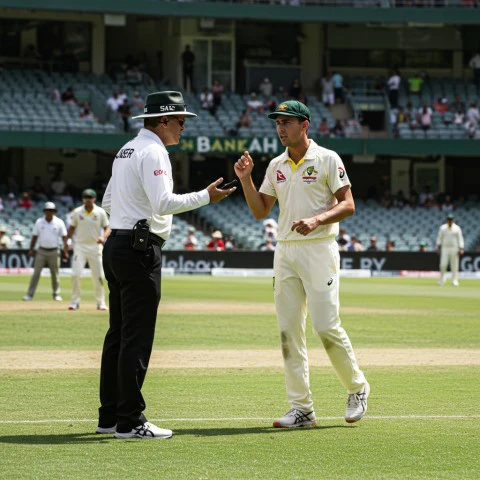
Cricket may seem like a game of bat and ball, but beneath the surface lies a deep web of strategy, prediction, and psychological warfare. Much like in economics or military tactics, game theory — the study of decision-making where outcomes depend on the actions of others — plays a vital role in how cricket Jeetbuzz captains lead their teams. From choosing field placements to setting batting orders, great captains think several moves ahead, just like chess masters.
What Is Game Theory in Cricket?
In simple terms, game theory helps captains make the best possible decisions by anticipating their opponents’ moves. Every choice — whether to bowl a spinner or set a defensive field — influences how the other team responds.
Captains use these insights to maximize their team’s advantage while minimizing risks. For example, if a batsman struggles against short-pitched deliveries, a captain might rotate fast bowlers strategically to exploit that weakness without becoming predictable.
In cricket, the “game” isn’t just physical — it’s a battle of minds.
The Toss: The First Strategic Decision
Even before the first ball is bowled, the toss represents the first major decision point in game theory. A captain must decide whether to bat or bowl first based on pitch conditions, weather forecasts, and the opponent’s strengths.
Choosing incorrectly can tip the balance of the match. For instance, batting first on a deteriorating pitch can put pressure on the chasing team, while bowling first under overcast conditions might help seamers exploit swing early on.
Smart captains weigh these probabilities like mathematical scenarios, using logic and intuition to gain an early edge.
Bowling Changes and Field Placements
One of the most visible examples of game theory in cricket lies in how captains handle their bowlers. A great captain doesn’t just react to what’s happening — they predict what’s likely to happen next.
For instance:
If a batsman is playing aggressively, the Jeetwin captain might introduce a slower bowler or adjust fielders to induce a false shot.
When facing a left-right batting pair, bowlers and fielders are shifted frequently to break rhythm and keep the batsmen guessing.
Every field change or bowling switch acts as a strategic signal, forcing the opposition to adjust — just as in a game of chess.
Batting Order and Risk Management
Captains also use game theory when deciding who bats where. Should a power hitter come early to dominate, or should the lineup be preserved for stability?
For example, in T20 cricket, sending a pinch hitter during powerplay overs is a calculated risk: if it succeeds, it accelerates scoring; if it fails, the team still has stronger batsmen left. These probabilistic trade-offs lie at the heart of game theory — optimizing the balance between aggression and caution.
Reading the Opposition’s Mind
A skilled captain constantly studies patterns in the opponent’s tactics — much like a poker player reading tells. They identify habits:
A bowler’s preferred delivery under pressure.
A batsman’s reaction to certain field setups.
The other captain’s predictable decisions.
By predicting these behaviors, captains can set psychological traps, manipulating the flow of the game. For instance, they might place a fielder in an unusual position to tempt a risky shot, knowing the batsman’s tendencies.
Game Theory in Limited-Overs Cricket
In limited-overs formats like ODIs and T20s, captains must think faster and manage resources under tighter constraints. Overs are limited, field restrictions apply, and every delivery counts.
Captains use analytics and probability models to decide when to use key bowlers, when to take the powerplay, or when to accelerate scoring. This mirrors mixed-strategy game theory, where success depends on balancing predictable and unpredictable moves.
The Role of Intuition and Experience
While game theory provides a logical framework, cricket isn’t played by computers. Great captains like MS Dhoni, Eoin Morgan, and Ricky Ponting blend data-driven logic with gut instinct and experience.
Their ability to read match situations, understand human psychology, and adapt plans in real time makes them true masters of strategic decision-making.
Game Theory in the Age of Analytics
Today, captains have access to data analysts and AI tools that simulate possible outcomes. Predictive models can suggest bowling changes or batting approaches based on past data. However, even with advanced technology, human intuition remains irreplaceable — especially in unpredictable match conditions.
The best captains know when to follow the numbers and when to trust their instincts.
FAQ
1. How does game theory apply to cricket captaincy?
Captains use game theory to anticipate opponents’ strategies, balance risk and reward, and make decisions that maximize their team’s chances of success.
2. Can data and analytics replace a captain’s intuition?
No — while data helps decision-making, intuition and on-field experience are still vital, especially under unpredictable match conditions.
3. Which captains are known for strategic brilliance?
MS Dhoni, Ricky Ponting, and Eoin Morgan are renowned for their tactical intelligence and use of game theory principles in captaincy.
